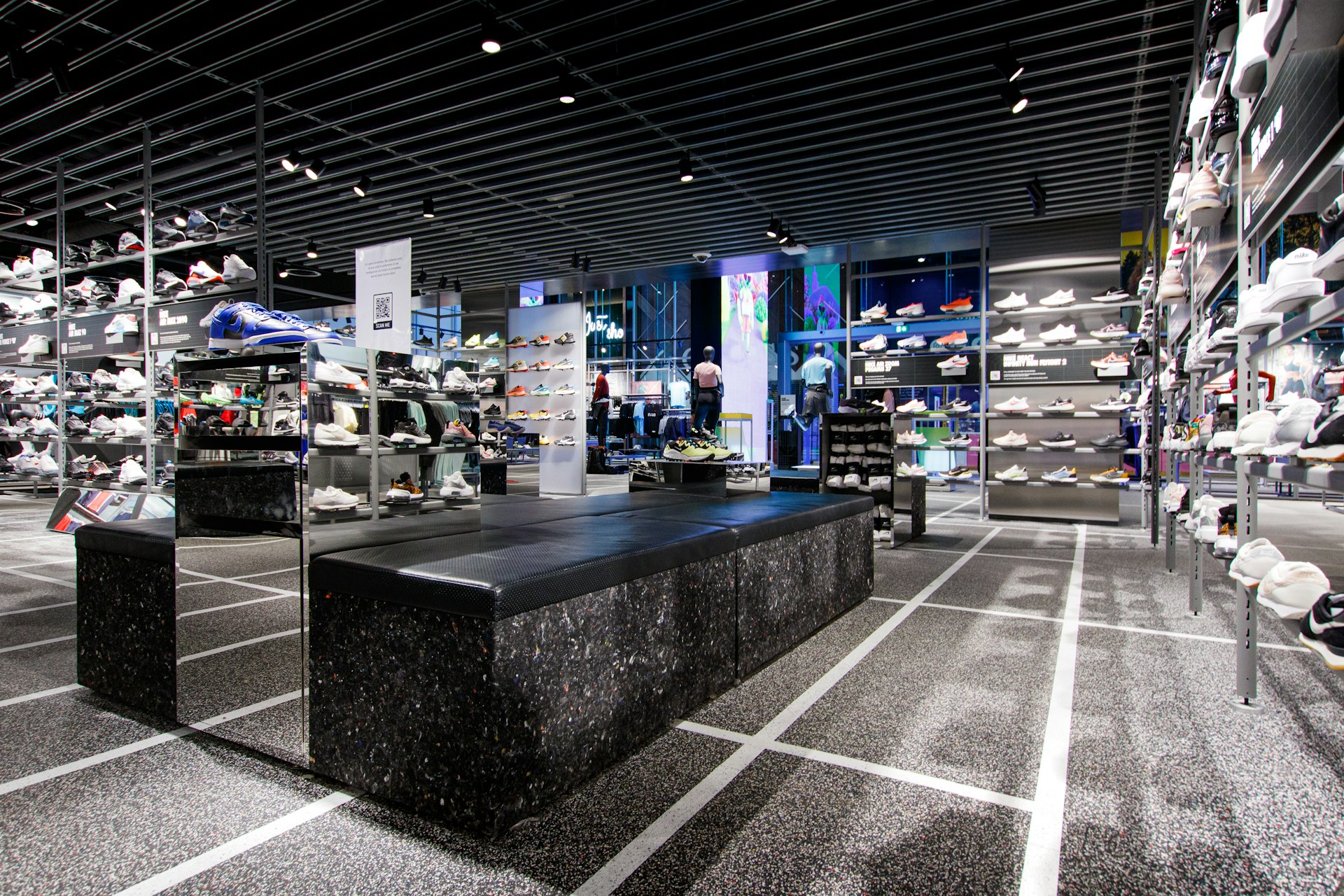

It’s not easy to run a retail store in 2025. Customers have higher expectations, there is a lot of competition, and profits are still low. Inventory financing and cash-flow stability are two financial pillars that affect success more than almost anything else, whether you run a boutique, an electronics store, a convenience store, or a specialty store.
This article explains how retail business loans work, what the best financing options are right now, and how to get them. The trends that will impact retail lending in 2025 will also be covered, along with how a private lender like ICG Funding can assist retailers in obtaining quick, flexible funding.
What Are Retail Business Loans?
Store owners can use retail business loans to pay for operating expenses, purchase inventory, maintain a consistent cash flow, and adjust for seasonal fluctuations. These loans can be made by banks, revenue-based lenders, online lenders, and alternative funding firms.
To put it briefly, they assist retailers in increasing their inventory, maintaining stock levels during peak periods, and generating revenue even during periods of low sales.
The main goals are:
- Buying a lot of inventory
- Getting money for new product lines
- Dealing with delays in the supply chain
- Paying for utilities and payroll
- Store growth and marketing
- Keeping ahead of busy and slow times of the year

Pros of This Kind of Financing
Funding options that are focused on retail businesses have benefits like
- Quick access to money, especially through alternative lenders like ICG Funding
- Flexible approval criteria are great for stores whose sales change often.
- The ability to increase margins by purchasing stock before selling it
- Streamlining your cash flow to handle slow periods
- Plans for seasonal payments that correspond with sales cycles
- Opportunity to expand by launching new goods or opening new locations
In 2025, when supply chains are still unpredictable and consumer demand can fluctuate rapidly, these advantages are particularly crucial.
The Greatest Methods for Retail Companies to get a loan
The ten most popular ways for retailers to get a loan are listed here, along with a brief description of each one’s goals, prerequisites, advantages and disadvantages, and common terminology. First. SBA loans under the 7(a) program aim to provide long-term funding for working capital, equipment, growth, or inventory. Who Can Get It: Companies with a long history, complete documentation, While other businesses demand a credit score of (680+) ICG Funding requires a credit score of 500+.
Pros: Long repayment periods and low interest rates
Cons: A lot of paperwork and slow approvals; The typical duration is 10 to 25 years.
1. Loans from the SBA 7(a)
Purpose: to get long-term money for inventory, equipment, growth, or working capital
Who Can Get It: Businesses with strong credit (500+), full documentation, and a long history
Pros: Low interest rates and long time to pay back
Cons: Slow approvals and a lot of paperwork
10–25 years is the usual time frame.
2. Loans for working capital
Purpose: To cover gaps in cash flow, payroll, supplies, and marketing
Who Can Get It: 500+ credit score and 6+ months in business
Pros: Quick approvals and flexible use
Cons: Higher interest rates than SBA loans
Usually, terms are between 6 and 24 months.
3. Revenue-Based Financing (RBF)
Objective: Pay for inventory or operations with a portion of daily sales.
Who Qualifies: Consistent card sales or online sales
Advantages: Underwriting is quick and payments increase with sales.
Cons: Compared to standard loans, they may be more expensive.
Common Terms: Until a predetermined sum is repaid
4. Advances of merchant cash (MCAs)
Goal: To provide short-term loans to businesses with high card sales
Individuals who make large monthly card payments are eligible.
Advantages: Quick and minimal paperwork
Cons: The priciest method of earning money
Duration: three to twelve months
5. Financing for Inventory
Purpose: To borrow money based on the value of your current or future inventory
Who is Eligible: Retailers with a lot of inventory that can be tracked
Pros: Good for buying in large amounts
Cons: Needs regular checks of the inventory
Common Terms: 6 to 18 months
6. Business Line of Credit
Purpose: Money that you can use when you need it
Who Can Get It: 500+ credit and at least one year in business
Pros: You can use it over and over again and only pay for what you use.
Cons: Might need a lot of money coming in
7. Getting money for equipment
POS systems, shelving, refrigerators, lighting, and security systems are all examples of things that serve a purpose.
Who Can Apply: Any store that needs equipment
Pros: The equipment can be used as collateral
Cons: Only good for buying equipment
Common Terms: 2 to 6 years
8. Loans for a Set Amount of Time
Purpose: to grow, remodel, buy in bulk, or make big purchases
Who Can Get It: 500+ credit and steady income
Pros: Payments that are easy to plan for
Cons: May need collateral
Common Terms: 1 to 5 years
9. Supplier Financing or Trade Credit
Goal: Get things now and pay suppliers later
Who is Eligible: Retailers who have good relationships with their suppliers
Pros: No interest if you pay on time
10. Private Lenders, such as ICG Funding
Goal: Get money quickly for inventory, payroll, marketing, or growth
Who is eligible: Retailers who make money consistently (even if they have trouble getting credit)
Pros: fast decisions, flexible terms, and underwriting that is tailored to you
Cons: Rates change depending on the level of risk
Common Terms: 3 to 24 months
How to Get a Retail Business Loan
Most lenders look at the following when deciding who to lend to:
1. Your credit score
- 500 or higher is what traditional lenders like
- Alternative lenders often say yes to 550+.
2. Monthly Income
Most lenders want you to make at least $10,000 a month in sales.
3. How long you’ve been in business
Banks: 2 years or more
ICG Funding: 1 year
4. Paperwork
You might need:
- Statements from the bank
- Returns on taxes
- Statements of profit and loss
- Reports on inventory
- Licenses for businesses
5. Stability in the industry
Lenders look at the following because retail is competitive:
- Demand for products
- Trends by season
- Sensitivity to cash flow
ICG Funding and other private lenders often look at the whole picture and approve businesses that banks don’t.
Trends in the retail industry that will affect financing in 2025
This year, a number of trends are affecting how stores borrow money:
1. Higher Rates of Interest
Rates are still high, even though they are stabilizing, which is driving more retailers to look for other ways to get money.
2. The rise of lending based on revenue
As more sales happen online, lenders are using real-time revenue data more and more to make decisions.
3. Growth of Fintech
More fintech lenders are offering same-day funding to stores that have cash flow problems.
4. Higher costs of inventory
Retailers depend on inventory financing a lot to keep their shelves full because the supply chain is always changing.
5. Move toward omnichannel
Financing now often includes paying for:
- Stores on the internet
- Ways to deliver
- Software for managing inventory
How to Pick the Best Way to Get a Loan
Here’s how to choose the right loan:
Make sure the loan fits the purpose
- Inventory → Financing for inventory or a line of credit
- Problems with cash flow → RBF or working capital loan
- Expansion: a term loan or the SBA
Look at the total cost, not just the interest
Look at the APR, fees, how often payments are due, and how the loan is paid back.
Look at the patterns in your sales
If your income changes, pick a product with flexible payments.
Think about speed
Need money in 24 hours? Banks won’t work, but ICG Funding will give you the loan in 24 hours
Go over the requirements for qualification
Pick lenders that fit your credit and income level.
Last Words of Advice for Retailers
Don’t borrow too much during busy times; only borrow what you can easily pay back.
To get better terms, keep your financial statements up to date.
To get trade credit, you need to have good relationships with your vendors.
Use a variety of financing tools to spread out your risk.
Work with a lender like ICG Funding to get fast, reliable cash when you need it.
What kind of loan is best for buying retail inventory?
Lines of credit, inventory financing, or revenue-based funding are usually the quickest and most effective choices.
Is it possible to get a retail loan if I have bad credit?
Yes. Alternative lenders like ICG Funding often give retailers loans even if their credit scores are below 600, as long as their sales are good.
How quickly can retail stores get money?
Some lenders will approve your loan and give you the money within 24 to 48 hours.
Which loan is the easiest for stores to get?
The easiest loans to get are working capital loans, MCAs, and revenue-based financing.
Will it be costly to obtain a retail loan in 2025?
Although rates have increased since 2020, retailers can use flexible funding options to keep costs down.
Conclusion
Retail businesses can use loans to fund expansion, maintain a stable cash flow, or purchase inventory. If retailers have a responsive and adaptable financing partner, such as ICG Funding, they can maintain their competitiveness, seize new opportunities, and confidently manage seasonal ups and downs.